

[ad_1]
Joseph Kosinski has been heralded as the next great blockbuster filmmaker, and for good reason. Although they had been in development for years, Kosinski managed to finally create the long-anticipated sequels Tron: Legacy and Top Gun: Maverick, but of which managed to both satisfy existing fans and open themselves up to new audiences. More recently, Kosinski defied the odds by making F1 into one of the biggest original movies of all time, outgrossing expected hits like Superman, The Fantastic Four: First Steps, Mission: Impossible — The Final Reckoning, and Snow White. Although he hasn’t made a false move yet, Kosinski should focus his efforts on another original project, and not a new version of Miami Vice.
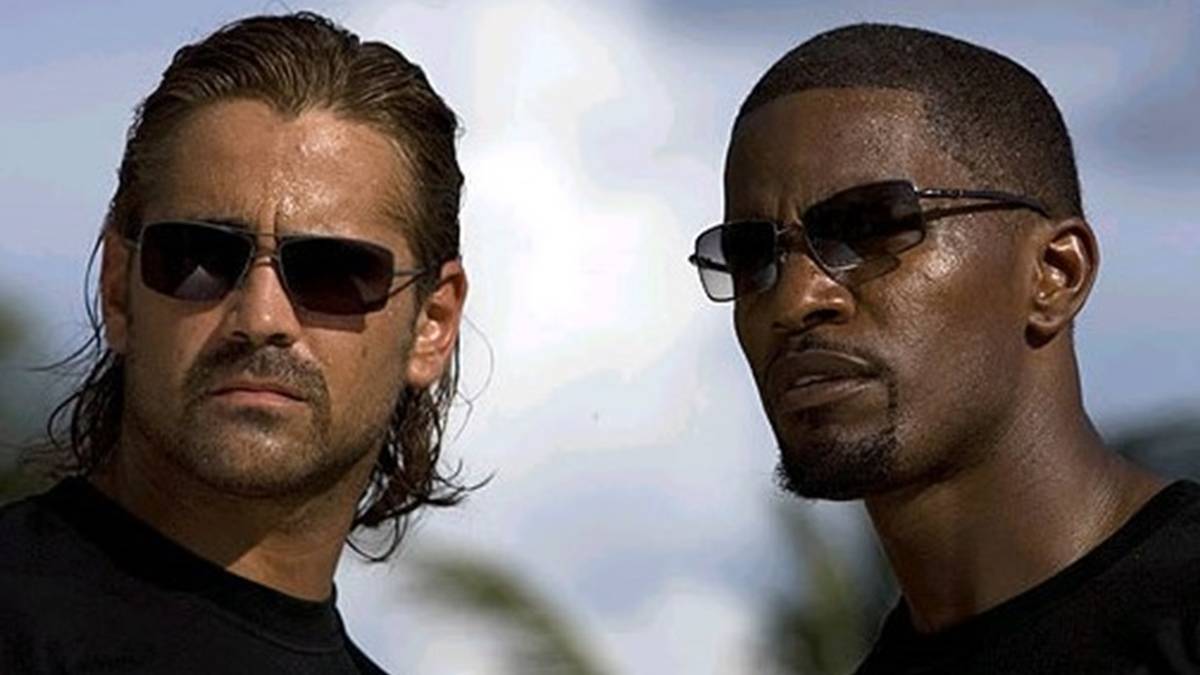
Miami Vice was a highly popular crime drama series that began airing in 1984, long before the term “prestige television” was widely acknowledged. Co-created and produced by Michael Mann, Miami Vice stood out because of its eye-popping colors, creative use of music, stylized framing, and creative use of montage, earning it the moniker “MTV Cops.” Although Miami Vice is still cited as one of the most influential television shows of all time, Mann returned to the material for a 2006 film adaptation that starred Colin Farrell and Jamie Foxx as Detective Sonny Crockett and Detective Rico Tubbs, respectively, who were portrayed in the original by Don Johnson and Phillip Michael Thomas in the original show. Mann’s 2006 film is an unsung masterpiece that was ahead of its time, and it seems unlikely that Kosinski would ever be able to surpass it with a new version.
‘Miami Vice’ Is an Underrated Arthouse Masterpiece
Given that he created a show that spawned countless imitators, Mann wasn’t interested in making a Miami Vice film that adhered to the same conventions of the show. The Miami Vice film utilized groundbreaking digital technology to subvert the stylization of the original, giving it a haunting, morose feel. The original show had been stylized to a degree that the characters looked and felt like they appeared in a music video, making their dangerous and exciting lifestyle feel more appealing. However, the film used high-definition digital cameras to capture a gritty, realistic depiction of what these types of crime capers would look like if they existed within a tangible reality. Mann pulled back the curtain to reveal how plastic the crime genre had become, as the lives that Sonny and Rico live are actually quite sad. It also helped that the film had the freedom of an R-rating, which allowed Mann to insert the type of violent, sexual, and drug content that he would have never been able to include on a network television show.
Although the original Miami Vice was one of the most popular television shows when it was first airing, Mann chose to make a film that was as counterintuitive to blockbuster instincts as possible. Miami Vice is a deeply sad film about repetition and failure, as the film begins with the death of a trusted conflict, and ends with Sonny feeling more alone than ever before. While a show could use episodic storytelling to keep the viewers engaged, the sporadic nature of the crime in Miami Vice showed that Sonny and Rico had no escape from their all-consuming profession, which made it even harder for them to maintain their personal romantic relationships. The fact that the film was 132 minutes long also meant that it showed some of the more uncomfortable, shady, and dangerous parts of the case that wouldn’t be able to fit within a standard episode of broadcast television.
It Would Be Hard To Make a New, Subversive ‘Miami Vice’ Film
Kosinski is undeniably a great filmmaker when it comes to making broadly accessible commercial blockbusters, but he has yet to make a film as haunting and expressionistic as any of the best entries in Mann’s canon. There is an emotionally removed, slightly meta quality to the way that Miami Vice framed its characters, which is nearly the exact opposite of the complete sincerity that Kosinski succeeded with when making Top Gun: Maverick and F1. There’s also a matter of casting, as finding a new set of actors who can inhabit the roles of Sonny and Crockett will not be an easy task, given how acclaimed their predecessors are. While Kosinski has helped to rehabilitate the careers of some stars, Mann’s Miami Vice film worked because he cast Farrell and Foxx right at the moment that they were being praised for their great performances; this was shortly after Farrell had broken through in the arthouse scene with Tigerland, and directly after Foxx had won an Oscar for Ray. Although they are two charismatic stars, Mann cast them for their ability to give nuanced, vulnerable performances.
One of the reasons that Miami Vice felt like such a perfect amalgamation of Mann’s career was because it drew inspiration from many of his established classics; the film captured the relentless obsession of Heat, the calm and collected swagger of Thief, the urban intrigue of Collateral the epic scope of The Insider, and even the intimate romanticism of The Last of the Mohicans. Kosinski has not yet developed a style dynamic enough for Miami Vice, and it would be unlikely that Paramount would be willing to allow him to make something so experimental on a studio level. Kosinski has yet to make a film that is not entertaining, but Mann’s masterpiece has only gotten better with age.

- Release Date
-
July 28, 2006
- Runtime
-
132 Minutes
- Director
-
Michael Mann
- Writers
-
Michael Mann, Anthony Yerkovich
[ad_2]
